Vintage Fire Mascot: Bold Graphics for T-Shirt Designs
As a brand designer and content marketer, I have spent years sifting through digital marketplaces looking for assets that do more than just fill space. I look for elements that carry weight, tell a story, and instantly communicate a brand’s personality. Recently, I came across the Vintage Fire Mascot Character Design, and it immediately caught my eye. This is not just another generic clipart; it is a robust graphic design asset with significant potential for modern branding campaigns. In this review, I will break down how this illustration performs in real-world marketing scenarios, from streetwear launches to social media content kits.
First Impressions: Mood, Tone, and Audience Perception
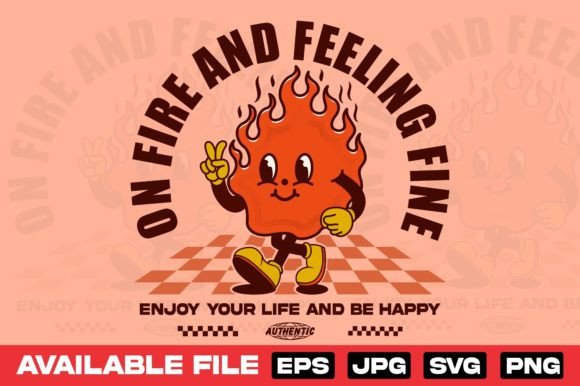
The first thing you notice about the Vintage Fire Mascot Character Design is its energy. It exudes a retro, rebellious spirit that feels both nostalgic and current. The mood is edgy yet approachable, making it highly suitable for casual branding, lifestyle content, and urban-focused marketing materials. It does not scream "corporate safety," which is exactly why it works so well for brands trying to break through the noise.
For audience perception, this asset signals authenticity. In an era where consumers are skeptical of overly polished, sterile advertising, a vintage-style mascot adds a layer of human touch and artistic credibility. It suggests that the brand behind it values creativity and has a distinct point of view. Whether you are targeting Gen Z streetwear enthusiasts or millennials who appreciate retro aesthetics, this design creates an immediate emotional connection. It feels handmade and curated, which builds audience trust faster than stock photography often can.
Integrating the Mascot into Real Marketing Workflows
To test the versatility of this asset, I imagined a real-case scenario: a small business launching a limited-edition summer collection. The goal was to create a cohesive visual identity across multiple touchpoints without hiring an expensive illustration team. Here is how the Vintage Fire Mascot Character Design fit into that workflow.
First, we looked at T-Shirt Designs. The product description highlights its suitability for screen printing, and this holds true. The bold lines and high-contrast elements of the mascot translate beautifully onto fabric. It serves as an excellent Urban T shirt Design or Retro T shirt Design element. Because it comes with a PNG Transparent Background, placing it on black, white, or heather gray garments requires zero extra editing time. It acts as a standalone hero graphic or pairs well with bold typography for a complete Illustration T shirt Design.
Beyond apparel, the asset shines in digital marketing. For social media graphics, particularly Instagram posts and Pinterest pins, the mascot provides a strong focal point. We used it to create eye-catching headers for blog posts about urban culture and summer trends. The visual hierarchy was easy to manage; the mascot drew the eye first, allowing us to place secondary text and calls-to-action around it without clutter. For Facebook ads and digital ads, the character’s expressive nature helped improve engagement rates, as users stopped scrolling to investigate the unique visual.
Enhancing Brand Identity and Visual Consistency
One of the biggest challenges for small business branding is maintaining consistency. A single strong graphic design asset can anchor an entire campaign. The Vintage Fire Mascot Character Design supports marketing goals by providing a recognizable symbol that can be repeated across various media. We used it on packaging design elements, such as sticker seals for product boxes, and even on product labels for limited-run items. This repetition builds stronger recognition and makes the brand feel more established and professional.
In terms of editorial design and web design, the mascot adds personality to otherwise dry layouts. We incorporated it into email banners to announce sales, and it performed better than standard text-only headers. The key here is that the design does not look messy. Despite its detailed vintage style, it remains clean enough to support clear communication. It enhances the professional appearance of the campaign while keeping the tone fun and energetic.
Strategic Placement: Where It Works Best
Not every asset belongs everywhere. Through testing, I identified specific areas where the Vintage Fire Mascot Character Design delivers the highest return on investment. It works best as a hero graphic in campaign headers, where it can dominate the visual field. It is also ideal for branded templates, such as Canva template kits sold on creative marketplace platforms. By including this mascot in a design bundle, creators can offer customers a ready-made aesthetic for their own Streetwear t-shirt design projects.
It also excels in promotional banners and event flyers. The retro vibe aligns perfectly with music events, pop-up shops, or seasonal offers. When used as a decorative brand element on website headers or media kits, it breaks up text and adds visual interest. For content marketing, it serves as a memorable icon that can be resized for thumbnails or featured images without losing its impact.
Limitations and Careful Considerations
While versatile, this asset is not a one-size-fits-all solution. Brand designers must use it carefully. It is not suitable for formal corporate branding or industries requiring a minimalist, ultra-modern aesthetic. If your brand identity relies on subtle, understated elegance, this fiery mascot may clash with your message. Additionally, avoid using it in dense information layouts or text-heavy ads. The detail in the illustration can compete with small print, reducing readability.
Another consideration is scale. On very small mobile graphics, such as favicon-sized icons or tiny footer logos, the intricate details of the vintage style may become muddy. Always preview the asset on mobile screens to ensure clarity. Furthermore, be cautious with low-contrast backgrounds. Since the design likely uses warm tones like reds, oranges, and yellows, placing it on similar colored backgrounds will cause it to disappear. Always check black and white usage if you plan to print on monochrome materials, ensuring the contrast remains sharp.
Practical Designer Notes for Implementation
Before integrating the Vintage Fire Mascot Character Design into your next project, follow these practical steps to ensure professional branding results:
- Test with your color palette: Ensure the mascot’s colors complement your existing brand identity. You may need to adjust saturation or hue to maintain visual consistency.
- Font pairing: This mascot pairs exceptionally well with bold sans serif fonts for a modern urban look, or rugged slab serifs for a vintage feel. Avoid delicate script fonts that may get lost against the boldness of the character.
- Spacing and balance: Give the mascot breathing room. Do not crowd it with other graphics. Let it stand out as the primary visual element.
- Competitor analysis: Compare it against competitor visuals. If everyone else is using minimal line art, this detailed mascot will help you stand out. If everyone is using busy illustrations, consider simplifying your layout to let this asset shine.
- Licensing check: Always confirm commercial license terms before using it in paid campaigns, client work, or for resale in digital products. Understanding the rights associated with SVG design or PNG design files is crucial for legal safety.
In conclusion, the Vintage Fire Mascot Character Design is a powerful tool for content creators and marketers. It bridges the gap between nostalgic charm and modern streetwear appeal. Whether you are designing packaging inserts, creating Pinterest graphics, or launching a new line of Apparel, this asset provides the visual punch needed to attract attention. By understanding its strengths and limitations, you can leverage this graphic design asset to build stronger audience trust and create more memorable campaign visuals. It is a testament to how the right illustration can elevate a brand from ordinary to iconic.