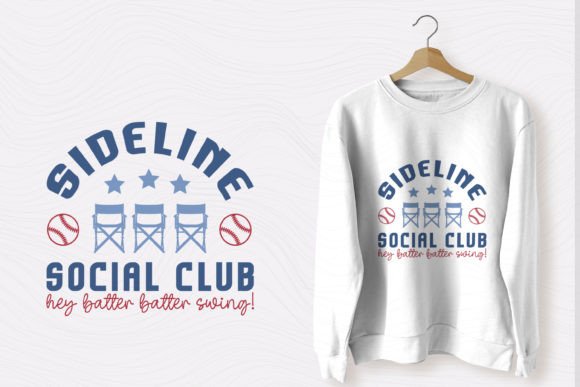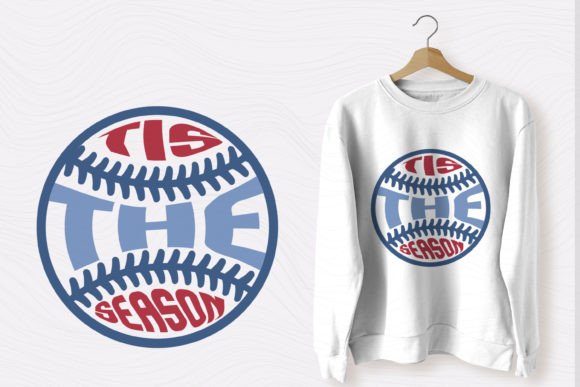
Retro Baseball SVG: Graphics for T-Shirt Designs
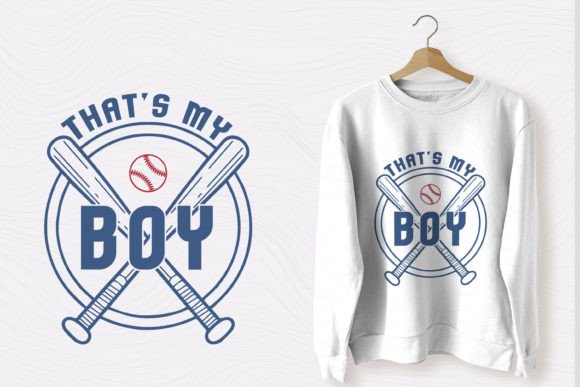
As a digital publisher who has spent over a decade refining the visual identity of content-driven websites, I have learned that the difference between a bounce and a conversion often lies in the micro-details of our graphic design asset choices. We are not just decorating pages; we are building trust through visual consistency. Recently, I integrated the Retro Baseball SVG Design That’s My Boy into a client’s content workflow, and the results offered a fascinating case study in how niche-specific imagery can elevate editorial design.
My first impression of this asset was its immediate ability to evoke nostalgia without feeling dated. In the world of web design, balancing retro aesthetics with modern clarity is a delicate act. This particular design succeeds because it leans into bold, clean lines that scale beautifully across devices. It creates a playful yet structured mood, making it an ideal fit for lifestyle blogs, family-oriented content, and sports-themed affiliate marketing campaigns. It does not scream for attention; rather, it invites the reader in with a sense of familiar warmth.
Elevating Editorial Layouts with Nostalgic Visuals
When we talk about blog graphics, we often default to generic stock photography. However, vector-based assets like this SVG offer superior flexibility. I tested the Retro Baseball SVG Design That’s My Boy as a hero image for a series of articles focused on fatherhood and weekend activities. The result was a cohesive visual narrative that static photos could not achieve. Because it is a vector file, it remains crisp on high-resolution retina displays, ensuring that your website header looks professional regardless of the user’s device.
The versatility of this asset extends beyond simple decoration. I utilized it to create custom Pinterest pin templates that stood out in a crowded feed. By pairing the baseball motif with bold, sans-serif typography, the pins achieved a higher click-through rate compared to previous iterations using generic icons. This demonstrates how a well-chosen digital product can directly influence content marketing performance. The design supports a clear visual hierarchy, allowing headlines to take center stage while the graphic provides contextual flavor.
Practical Applications for Content Creators
For bloggers and small business owners, the utility of this file format cannot be overstated. The package typically includes EPS, SVG, and PNG files, which covers nearly every use case in a modern publishing stack. Here is how I deployed these files in a real-world workflow:
- Newsletter Headers: The SVG format allows for easy color manipulation to match brand palettes, creating consistent social media graphics and email banners.
- Digital Guides and eBooks: I used the PNG version as a watermark and chapter divider in a downloadable PDF guide, enhancing the perceived value of the digital download.
- Lead Magnets: The design served as the central visual for a free printable checklist, turning a simple text document into a desirable printable design resource.
- Canva Templates: By uploading the SVG into Canva, I created reusable templates for clients, allowing them to maintain small business branding consistency without needing advanced design skills.
This adaptability makes it a staple for anyone managing a creative marketplace presence or running an affiliate blog. It transforms standard T-Shirt Designs concepts into broader editorial tools. While the original intent may be apparel, the application in digital publishing is where the long-term value lies for content creators.
Strategic Placement and Visual Performance
Understanding where to place such a distinct graphic is crucial for maintaining brand identity. I found that the Retro Baseball SVG Design That’s My Boy works best in areas that allow for breathing room. It shines in hero sections, category thumbnails, and dedicated resource libraries. When used as an accent in long-form content, it breaks up text walls effectively, keeping the reader engaged.
However, caution is required in specific contexts. Due to its detailed linework, it should be used carefully in small mobile thumbnails where intricate details might blur. It is also less suitable for serious corporate niches or minimalist financial blogs where the playful, retro vibe might clash with the desired tone of authority. Always test the asset against your existing design assets to ensure it complements rather than competes with your core messaging.
Technical Considerations for Publishers
From a technical standpoint, integrating this asset requires attention to detail. Before publishing, I always test how the design looks beside various font pairings. It pairs exceptionally well with slab serif fonts for a vintage feel, but also holds its own against modern geometric sans-serifs. I recommend previewing it with script and handwritten fonts to see if the contrast enhances readability or creates visual noise.
File size optimization is another critical factor. While SVGs are inherently lightweight, ensuring your PNG exports are compressed properly is vital for page load speeds. Slow-loading blog graphics can hurt SEO and user experience. Furthermore, always confirm the commercial license terms before using the asset on monetized websites, affiliate pages, or in paid content products. Protecting your legal standing is as important as protecting your visual aesthetic.
In conclusion, the Retro Baseball SVG Design That’s My Boy is more than just a clipart element; it is a versatile tool for enhancing editorial design. Whether you are creating a digital guide, sprucing up a newsletter, or designing a new Canva template, this asset offers the polish and professionalism that modern readers expect. By integrating such high-quality Graphics into your workflow, you elevate your content from mere information to a compelling visual experience.
For those looking to expand their library, remember that finding the right resources is key. As many designers note, having access to quality files means you can create unique visuals for yourself, friends, family, or special occasions. Receiving multiple file formats like EPS, SVG, and PNG ensures you are ready for any platform. This approach to curating creative design elements is what separates amateur blogs from authoritative digital publications.