Sweating for the Wedding SVG: A Designer’s Review
As an embroidery designer who has spent years digitizing patterns and testing them on everything from flimsy silk to heavy denim, I have learned that a design’s success is not just about how it looks on a screen. It is about how it behaves under the needle. When I first pulled up the Sweating for the Wedding SVG Design, my initial reaction was one of cautious optimism. The concept is playful, tapping into the very real, often humorous stress of wedding preparations. But does this humor translate well into thread? Does the layout hold up when stitched out on a curved cap or a soft baby onesie? I decided to put this digital asset through its paces to see if it deserves a spot in your commercial library.
First Impressions and Visual Personality
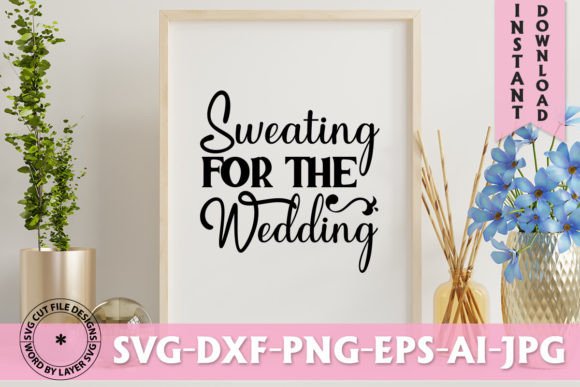
The mood of this design is lighthearted and relatable. It captures that specific pre-wedding anxiety with a wink rather than a scream. Visually, the typography and layout appear balanced, which is crucial for embroidery. In my experience, designs that are too cluttered or have uneven weight distribution tend to look messy once stitched. This piece seems to have a clean silhouette, which suggests it would work well as a focal point on T-Shirt Designs or as a cheeky accent on a bridal party gift.
What stands out immediately is the potential for customization. Since the download includes Word By Layer SVG files, you have significant control over the composition. For an embroidery project, this means you can adjust spacing or isolate elements if you need to fit the design into a smaller hoop size. The visual personality is modern and casual, making it a strong candidate for contemporary handmade products rather than traditional, ornate heirloom pieces.
Real-World Application: The Custom Tote Bag Test
To truly evaluate the Sweating for the Wedding SVG Design, I imagined a common scenario for small business owners: creating a set of personalized tote bags for a bachelorette party. These bags are typically made of canvas or cotton duck, fabrics that have a distinct texture. Embroidery on textured fabric requires a design with sufficient density to cover the weave without sinking in.
If this design relies heavily on thin running stitches, it might get lost in the canvas texture. However, if it utilizes bold satin stitch borders or adequate fill stitch areas, it will pop beautifully. I envision this design working exceptionally well on a natural-colored tote, where high-contrast thread colors like black, navy, or deep burgundy would make the text readable and impactful. For an Etsy seller, this kind of application is gold. It transforms a simple bag into a memorable keepsake, increasing the perceived value of the handmade product.
Apparel and Stretch Fabrics
Moving beyond totes, let’s consider custom apparel. Sweatshirt embroidery is a huge market, especially for seasonal holiday embroidery or group events. The Sweating for the Wedding SVG Design could easily find a home on the chest of a crewneck sweatshirt. Here, the challenge is the fabric’s stretch. If the design is too dense, it can cause puckering, ruining the finish of the garment. If it is too sparse, the fabric might show through.
For t-shirts, which are thinner and more prone to distortion, you must be careful. I would recommend using a cut-away stabilizer to support the stitches. The design’s suitability for T-Shirt Designs depends largely on its stitch density. If the SVG converts cleanly into a machine embroidery design with appropriate underlay, it will sit flat and look professional. If not, you risk a stiff, cardboard-like patch on a soft shirt, which customers rarely appreciate.
Technical Considerations for Embroiderers
Before you rush to stitch this out on a client’s expensive linen napkin, there are technical realities to address. The product description states that you receive a ZIP file containing one SVG file and one EPS file. It is vital to note that these are vector graphics formats, commonly used for cutting machines like Cricut or for print-on-demand services. They are not native machine embroidery files like PES, DST, or JEF.
This distinction is critical. As a designer, I must advise you that you will need to digitize this SVG into an embroidery file using software like Wilcom, Hatch, or Embrilliance. This step allows you to define stitch types—whether you want a sleek satin stitch for the letters or a textured fill stitch for any graphical elements. It also lets you control the stitch density. Without proper digitizing, even the best-looking SVG can result in a tangled mess of thread breaks and bird nests.
When digitizing, pay close attention to small details. Tiny lettering can become illegible if the stitches are too thick. Test the design on scrap fabric first. Check thread color contrast against both light and dark backgrounds. A design that looks sharp on white might disappear on black if you do not adjust the underlay or choose the right thread colors. Also, consider the hoop size. Ensure the final digitized version fits comfortably within your standard hoops, leaving room for stabilization.
Navigating Fabric and Hoop Constraints
Not every surface is friendly to embroidery. Curved surfaces like caps require specialized techniques. If you plan to use the Sweating for the Wedding SVG Design on a hat, you must account for the curvature. The design should not be too wide, or it will distort around the front panel. Additionally, textured fabrics like towels or fluffy blankets can swallow up fine details. In these cases, simplifying the design or increasing the stitch count slightly can help maintain clarity.
Dark fabrics present another challenge. You may need to add a layer of white underlay stitching to prevent the fabric color from showing through the top threads. This is especially important for maintaining the professionalism of your finished product. For delicate fabrics like silk or thin cotton, a lightweight tear-away stabilizer is essential to prevent holes and puckering. Always test on a similar fabric scrap before committing to the final item.
Commercial Value and Brand Consistency
For craft business owners and Etsy sellers, the appeal of this design lies in its niche relevance. Wedding-related items are evergreen sellers. However, standing out in a saturated market requires quality. A poorly stitched design can damage your brand reputation. By taking the time to properly digitize and test the Sweating for the Wedding SVG Design, you ensure that your embroidered patch, apron, or pillow cover looks premium.
Customer trust is built on consistency. If your handmade product arrives with loose threads or misaligned stitches, buyers are unlikely to return. Using high-quality design assets is the first step, but execution is everything. This SVG provides a solid foundation, but your skill in translating it into thread determines its success. Consider creating printable mockups to showcase how the design looks on various products before you list them. This helps manage customer expectations and highlights the versatility of your craft.
Licensing and Usage Rights
Finally, always confirm licensing terms. While this is a digital download, understanding whether you can use the resulting embroidered items for commercial sale is crucial. Most designers allow commercial use of finished physical products, but restrictions may apply to reselling the digital file itself. Check the specific license included with your purchase to avoid legal issues. Protecting your small shop product line starts with respecting intellectual property rights.
In conclusion, the Sweating for the Wedding SVG Design offers a fun, relevant theme for modern embroidery projects. With careful digitizing, appropriate stabilizer selection, and thoughtful fabric pairing, it can become a standout item in your portfolio. Whether you are creating a personalized gift for a friend or stocking your online store with unique wedding merchandise, this design has the potential to deliver both humor and style. Just remember: the screen is only the beginning. The needle tells the true story.