Retro Fire Cartoon Design: A Stitcher’s Review
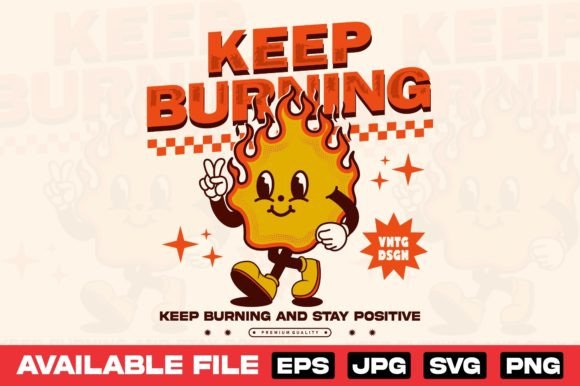
As an embroidery designer who has spent years digitizing and testing thousands of motifs, I have developed a keen eye for what translates well from screen to fabric. When I first loaded the Retro Fire Cartoon Character Design into my workspace, my immediate reaction was one of cautious optimism. The retro aesthetic is currently dominating the handmade market, but not every illustration holds up under the needle. This particular piece, described as a fire flame cartoon character illustration in a retro style, promises versatility. But does it deliver when the hoop is locked in and the machine starts running? Let’s break down how this graphic performs in real-world applications.
First Impressions: Mood and Visual Personality
The initial visual impact of this design is energetic and playful. The retro styling suggests a nod to vintage cartoons, which inherently carries a sense of nostalgia and warmth. For an embroidery project, this mood is invaluable. It feels approachable rather than aggressive, making it suitable for a wide demographic. The shapes appear bold and defined, which is crucial for stitching clarity. In my experience, designs with weak outlines or overly complex gradients often turn into muddy messes on fabric. This design, however, relies on strong, distinct forms. The fact that it is made with 100 vector shapes suggests that the lines are clean and scalable, a significant advantage when adjusting for different hoop sizes.
The color potential here is exciting. While the default might be fiery oranges and reds, the ability to easily modify and change colors means this isn’t just a summer motif. Imagine swapping the traditional flame palette for cool blues and purples for a winter-themed item, or using pastel tones for a nursery context. This flexibility allows crafters to adapt the asset to seasonal trends without needing to redraw the entire composition.
Real-World Application: From Digital File to Finished Product
To truly evaluate a machine embroidery design, you have to imagine it on actual goods. I recently considered this graphic for a custom embroidered tote bag project for a local coffee shop. The client wanted something eye-catching but not overly dense, to keep production time reasonable. The Retro Fire Cartoon Character Design fit the bill perfectly. On a canvas tote, the bold lines of the flame character would stand out against the textured fabric, providing a striking contrast that draws the eye.
Beyond tote bags, this graphic shines in custom apparel. Picture it on the chest of a heavyweight sweatshirt. The retro vibe pairs exceptionally well with the casual, cozy nature of fleece. For an Etsy seller or small shop owner, this type of T-Shirt Designs asset is gold. It appeals to the current trend of quirky, character-driven graphics that feel personal and unique. It also works beautifully as an embroidered patch. Because the shapes are distinct, you could satin stitch the borders and use fill stitches for the interior, creating a raised, tactile element that customers love to touch.
However, context matters. While it works for adults, I would hesitate to use it for delicate baby embroidery unless scaled down significantly and simplified. Babies require softer aesthetics, and while the cartoon style is friendly, the "fire" theme might need careful color adjustment to feel gentle enough for a onesie. Conversely, for holiday embroidery or camp-themed merchandise, the natural association with warmth and outdoor adventure makes it a strong contender.
Technical Considerations and Stitching Challenges
Let’s talk about the technical side. The product description notes that the design is ready for printed items like t-shirts and mugs, but we are focusing on embroidery. Since it is composed of vector shapes, resizing should theoretically maintain integrity. However, any experienced digitizer knows that shrinking a design too much can cause stitch overlap issues. If you plan to use this on a cap or a curved surface, you must check the stitch density. Dense areas in the flame’s core could pull on stretchy fabrics, causing puckering. Always use a proper stabilizer—likely a cut-away for garments that will be washed frequently—to support the structure.
One area requiring caution is the detail level. Retro styles often use thick outlines, which is good for satin stitch execution. But if there are tiny internal details or sharp corners, these can become problematic on thin or textured fabrics. I recommend running a test stitch-out on scrap fabric that matches your final product. Check how the thread colors blend. High-contrast thread choices will make the character pop, while monochromatic schemes might lose definition if the fill stitch direction isn’t varied correctly.
Also, consider the hoop size. If you are working with a standard 4x4 inch hoop, ensure the design fits comfortably with room for stabilization. If you are scaling it up for a blanket or pillow cover, verify that the resolution holds up and that the stitch count doesn’t become excessive, which would increase production time and thread usage.
Commercial Value and Brand Consistency
For commercial embroidery professionals and craft business owners, the value of a design lies in its sellability. This Retro Fire Cartoon Character Design has high giftability. It feels like a personalized gift waiting to happen. Whether it’s for a birthday, a team uniform, or a boutique product launch, the unique character adds personality that generic clip art lacks. This helps build brand consistency for sellers who want to offer distinctive design assets rather than mass-market visuals.
When creating printable mockup previews for your online store, this graphic offers great visual appeal. It looks dynamic in photos, which can increase buyer engagement. However, transparency is key. Since the product is listed under Graphics and mentions vector shapes, you must confirm the license terms before selling finished items. Does the purchase include commercial rights for physical goods? Can you resell the digital file? These are critical questions. Never assume; always read the license agreement provided by the creator.
Final Verdict and Designer Notes
In conclusion, the Retro Fire Cartoon Character Design is a robust addition to any designer’s library, provided it is used with technical awareness. It is not just a pretty picture; it is a functional tool for creating memorable handmade products. Here are my final practical notes for anyone planning to use this file:
- Test First: Always stitch a sample on your intended fabric to check for puckering or thread breaks.
- Check Contrast: Ensure your thread colors contrast sufficiently with the fabric background, especially on dark garments.
- Verify Licensing: Confirm whether the license allows for commercial sales of finished goods or if it is for personal use only.
- Mind the Density: If resizing, monitor the stitch density to avoid overwhelming lightweight fabrics.
- Stabilize Properly: Use the right stabilizer for the fabric type to ensure a professional finished product.
This design bridges the gap between nostalgic charm and modern application. With careful handling and creative customization, it can elevate your small shop product lineup and delight your customers. Happy stitching!