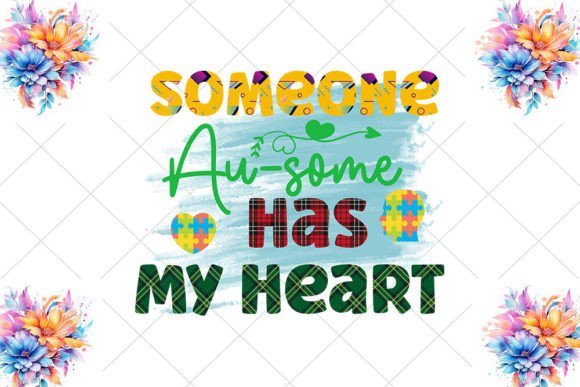
Retro Autism Graphics for T-Shirt Designs
As a graphic designer who spends most of my week refining brand identities and prepping files for print-on-demand clients, I have learned that the right asset can make or break a project. Recently, I was tasked with developing a visual concept for a small boutique launching a neurodiversity-awareness apparel line. The client wanted something that felt nostalgic yet respectful, avoiding the sterile clinical look often associated with medical awareness campaigns. This is where Retro Autism- SVG Design, entered my workflow. After reviewing the files and testing them across various mockups, I found this asset to be a surprisingly versatile tool for modern creative professionals.
First Impressions: Nostalgia Meets Advocacy
The immediate visual impact of Retro Autism- SVG Design, is its ability to evoke warmth. The style leans heavily into vintage aesthetics, utilizing distressed textures and classic typography that remind me of 70s and 80s community posters. For a designer, this is crucial because it humanizes the subject matter. It does not scream for attention with neon brightness; instead, it invites the viewer in with a sense of familiar comfort. When I placed this graphic on a heather grey tee mockup, the result felt organic, like a piece of thrifted clothing rather than a mass-produced item. This mood is essential for brands targeting parents, educators, and advocates who value authenticity over corporate polish.
Versatility Across Client Projects
While my initial test was for apparel, the utility of this asset extends far beyond a single category. In my experience, a high-quality graphic design asset must perform well across multiple mediums. Here is how I evaluated its performance in real-world scenarios:
- T-Shirt Designs and Apparel: This is the strongest use case. The vector nature of the SVG ensures crisp edges when scaled for large chest prints or small pocket logos. It works exceptionally well for print-on-demand sellers looking to create niche products for Etsy or Shopify stores.
- Sticker Design and Decals: The clean lines translate perfectly to die-cut stickers. I tested the DXF file with a cutting machine simulation, and the paths were closed and ready for production, saving me significant cleanup time.
- Social Media Graphics: For Instagram posts or Pinterest pins, the PNG 300 dpi file offers enough resolution to stand out in a feed. It serves as an excellent hero image for awareness month campaigns or educational carousels.
- Packaging Design: I imagined this graphic on a kraft paper mailer or a tissue paper wrap for a handmade business. The retro vibe complements eco-friendly packaging materials, enhancing the unboxing experience for customers.
Strategic Placement and Visual Hierarchy
Understanding where to place Retro Autism- SVG Design, is key to maintaining visual hierarchy. This asset shines in large layout areas where it can serve as the focal point. On a tote bag or a poster, it commands attention without needing excessive embellishment. However, designers must be cautious. Because the design has a distinct retro character, it can clash if surrounded by too many competing elements. I recommend using it as a standalone statement piece or pairing it with minimal sans serif fonts to let the illustration breathe. Using it as a small decorative accent in a crowded layout might cause it to lose its impact, especially if the background is busy or low-contrast.
Technical Review: File Formats and Usability
From a technical standpoint, the deliverables are robust. You receive four distinct files: SVG, PNG 300 dpi, EPS, and DXF. For a professional workflow, this variety is non-negotiable. The SVG and EPS files are vital for scalability. I opened the SVG in Adobe Illustrator to check the node structure, and I was pleased to find clean vectors with no unnecessary anchor points. This makes color customization straightforward. If a client wants to shift the palette to match their specific brand identity, the process is seamless.
The PNG file, at 300 dpi, is ideal for sublimation design or quick drag-and-drop projects in Canva. I checked the transparency, and the edges were sharp, with no halos or pixelation. For Cricut and Silhouette users, the DXF file is a huge plus. It allows crafters to bypass conversion steps, making this a highly attractive product for the creative marketplace where ease of use drives reviews and sales.
Designer Notes: Best Practices for Implementation
Before sending any final files to a client or uploading to a store, I always run a series of quality checks. Here are my practical notes for anyone using Retro Autism- SVG Design, in a commercial project:
- Test in Black and White: Always verify how the design looks in monochrome. This ensures it remains recognizable if printed on limited-color merchandise or used as a watermark.
- Check Contrast: Preview the asset on both light and dark backgrounds. The retro colors may need adjustment when placed on navy or black fabrics to ensure visibility.
- Font Pairing: Since the design has a vintage feel, pair it with complementary typography. A clean sans serif font provides modern balance, while a handwritten font can enhance the personal, handmade touch. Avoid overly ornate script fonts that might compete with the graphic’s details.
- Commercial Licensing: Always confirm the license terms. For small business branding and Etsy products, ensuring you have the right to sell physical items featuring this design is critical for legal safety.
- Mockup Realism: Place the design on real product mockups, not just flat digital canvases. Seeing how the ink sits on fabric texture helps judge the final aesthetic appeal.
Enhancing Brand Trust and Emotional Appeal
In the realm of marketing visuals and editorial design, emotional resonance drives engagement. Retro Autism- SVG Design, succeeds here because it feels inclusive and celebratory rather than clinical. For brands focused on neurodiversity, using assets that convey joy and community builds trust with their audience. It signals that the brand understands the culture and values representation. This emotional connection can significantly boost conversion rates for digital products and physical goods alike.
Furthermore, using a cohesive design bundle or consistent assets like this helps maintain brand consistency. Whether it appears on a website banner, a blog visual, or a physical flyer, the recognizable style reinforces brand recognition. For content creators and bloggers, having such a versatile clipart or illustration in their library streamlines the creation of social media graphics and web design elements.
Final Verdict for Professional Use
After thorough testing, I consider Retro Autism- SVG Design, a valuable addition to any designer’s toolkit, particularly those working with handmade businesses or advocacy groups. It bridges the gap between aesthetic appeal and meaningful messaging. While it requires thoughtful placement to avoid visual clutter, its technical quality and emotional depth make it a strong candidate for professional commercial design projects. Whether you are creating T-Shirt Designs for a local event or developing a full product mockup line for an online store, this asset delivers the polish and personality needed to stand out in a crowded market.